
Dry Needling Blacktown at Westpoint Shopping Centre
%20(1).svg)
.svg)

Dry Needling Blacktown at Westpoint Shopping Centre
If you’re considering dry needling to help manage muscle tightness, pain, or movement restriction, Blacktown Health offers dry needling Blacktown appointments as part of physiotherapy care at Westpoint Shopping Centre, Blacktown. This page is for people with “knots,” trigger points, sporting niggles, desk-related tension, or recurring flare-ups that affect work, sleep, training, or daily comfort. You’ll find our multidisciplinary clinic (Physio, Chiro, Exercise Physiology) inside Westpoint in Blacktown, with rooftop parking, lift access, and public transport nearby.
- One-on-one appointments in private rooms
- Dry needling delivered by qualified physiotherapists where appropriate
- Personalised home or gym programs to support progress between visits
- Easy access at Westpoint (parking, lifts/escalators, nearby medical services)
Book online or call Blacktown Health to arrange an appointment at Westpoint, Blacktown.
Who dry needling may help (common problems)
Dry needling is often used by physiotherapists to help manage muscular pain and tension, particularly when trigger points or overactive muscle guarding are part of the picture. It may be helpful when symptoms feel local (a tight band in a muscle) or when pain refers to another area (for example, tight upper back muscles contributing to neck discomfort).
People commonly ask about dry needling for:
- Neck and upper back tension from desk work
- Shoulder tightness and muscle overload from gym or work tasks
- Low back muscle guarding and “tight” hips/glutes
- Headache patterns that may be influenced by neck/upper back muscle tension (after assessment)
- Calf, hamstring, quad, or hip flexor tightness in sport and running
- Tendon-related pain where muscle overload is contributing (alongside a loading plan)
- Jaw/face tension patterns (where clinically appropriate and within scope)
We see patients from Blacktown and nearby suburbs including Seven Hills, Doonside, Prospect, Kings Park, and Lalor Park.
How we assess whether dry needling is right for you
Dry needling isn’t a default for every person or every condition. Your physiotherapist will first work out what’s driving your symptoms and whether needling is likely to be useful as one part of a broader plan.
A typical initial assessment includes:
- Questions about your symptoms, training/workload, sleep, stress, and previous injuries
- Physical assessment of movement, strength, joint function, and muscle sensitivity
- Screening for factors that may make needling unsuitable or require medical input (for example, certain bleeding risks or infection concerns)
- Clear discussion of your preferences, comfort with needles, and treatment options
If we think dry needling isn’t the best fit, we’ll suggest other approaches that may suit your presentation and goals.
What dry needling is (and what it isn’t)
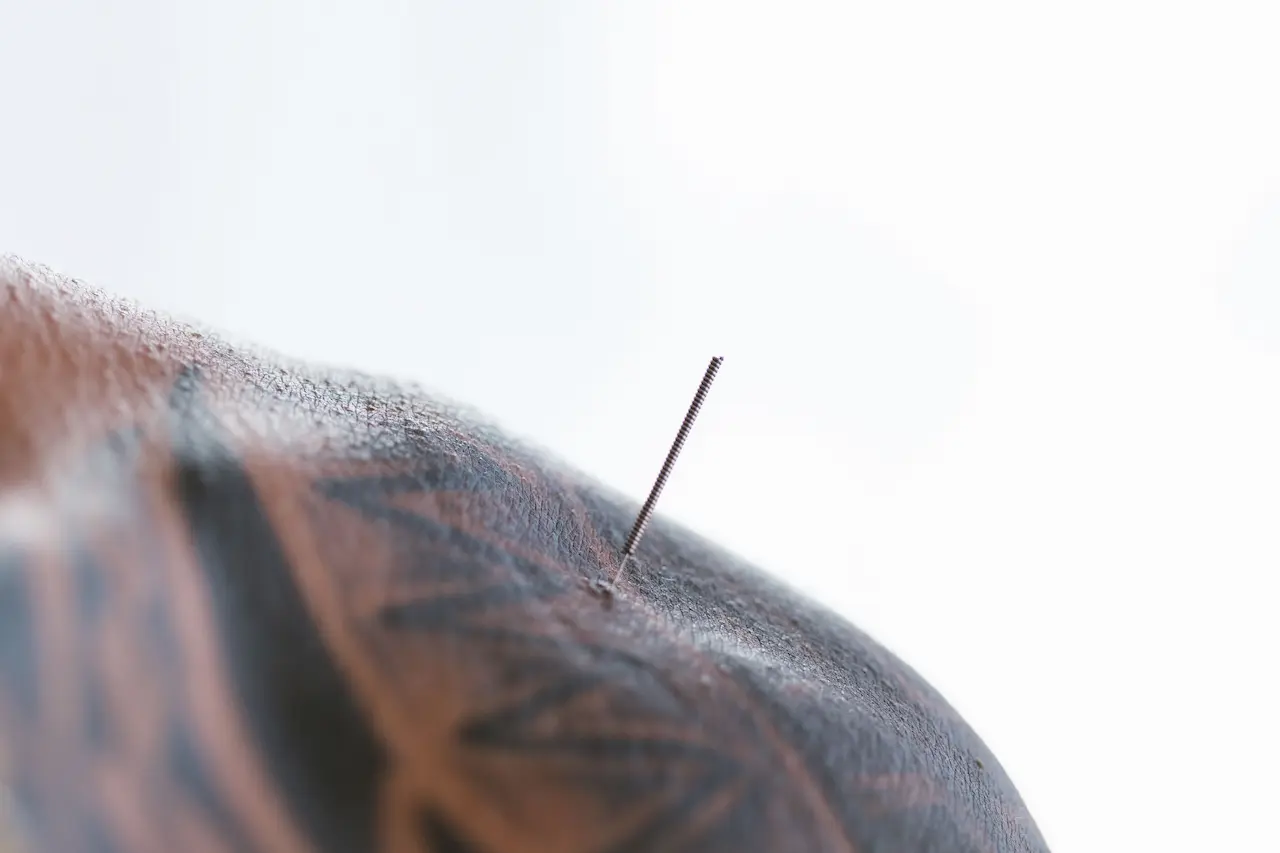
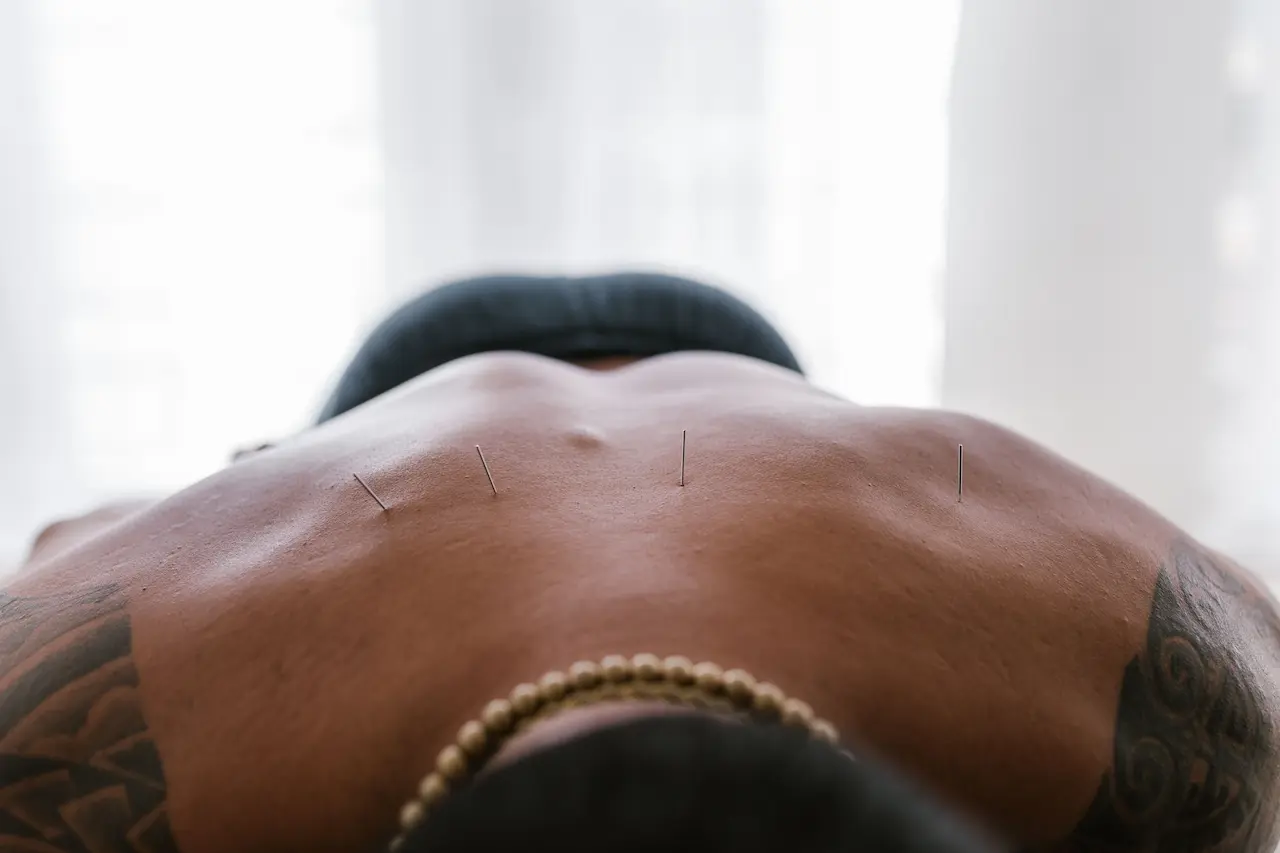
Dry needling uses a very fine, sterile needle inserted into specific muscle tissue to target trigger points and reduce excessive muscle activity. Some people feel a brief “twitch response,” ache, or local heaviness during treatment, while others feel very little.
Dry needling is not the same as traditional acupuncture. Physiotherapists use it as a clinically reasoned technique based on anatomy, pain science, and your movement assessment.
Dry needling physio Blacktown: how we use it in treatment
At Blacktown Health, dry needling is usually combined with education and exercise, rather than used as a stand-alone treatment. Many people find the best results come when any short-term change in pain or mobility is followed by strengthening or movement retraining that helps the body hold onto those improvements.
Your session may include:
- Education on what’s likely contributing to symptoms and how to manage flare-ups
- Dry needling to targeted muscles when appropriate
- Movement re-testing to see what changes (range of motion, pain with a task, ease of movement)
- A simple home plan (often 2–4 key exercises) to support progress
- Load and training modifications so you can keep active without repeatedly aggravating the area
A practical example: if your shoulder is painful with pressing at the gym, your plan may include dry needling for overloaded shoulder/upper back muscles, then progressive strengthening and technique changes to improve tolerance over time.

Manual therapy physio Blacktown: combining hands-on care and exercise
If you’re searching for a manual therapy physio Blacktown approach, dry needling can sit alongside other hands-on options when suitable. Depending on your assessment, your physio may also use joint mobilisation, soft tissue techniques, or taping to help manage pain and improve movement.
We’ll explain why we’re choosing each method and what you can do between visits, because long-term change usually depends on consistent habits, appropriate loading, and gradual progress.
How Physio, Chiro, and EP can work together
Blacktown Health is a multidisciplinary clinic, so your physiotherapy care can be coordinated with chiropractic and exercise physiology when helpful. This is often useful when pain is recurring, your training load has changed, or you want a clear progression from symptom management to strength and conditioning.
Coordinated care may help if:
- You have multiple areas contributing (for example, neck and upper back stiffness plus headaches)
- You want a structured gym program to build resilience after flare-ups
- You’re returning to sport or physical work and need graded progressions
- You’d benefit from consistent advice across clinicians in one location
Our team includes APA-titled Musculoskeletal and Sports Physiotherapists and dual-qualified clinicians (for example Physio/Chiro and Physio/EP), supporting clear communication and practical planning.
What makes Blacktown Health a practical choice
Choosing dry needling often comes down to trust, comfort, and clear explanations. We focus on one-on-one appointments in private rooms, taking the time to assess properly and tailor a plan around your goals.
You can expect:
- One-on-one consultations in private rooms
- Longer consults where appropriate (especially for complex or persistent issues)
- Personalised home or gym programs with clear progressions
- Collaboration with local GPs and specialists, with letters and reports when needed (and with your consent)
- Convenient Westpoint Shopping Centre access in Blacktown, including rooftop parking and lifts/escalators
Practical details: sessions, referrals, and funding
Session length
Initial appointments are typically longer than follow-ups to allow time for assessment and planning. Follow-up length varies depending on whether you’re progressing exercises, re-assessing, or using hands-on treatment options.
What to bring
- Comfortable clothing that allows access to the area being treated
- Any relevant scans or reports (if you already have them, though they’re not always required)
- A list of medications and key medical history (especially blood thinners)
- Your training context (what activities or movements trigger symptoms)
Referrals and funding (general guidance)
- Private patients: you can usually book without a referral
- Medicare Chronic Disease Management (CDM/EPC): requires a GP referral if you plan to claim Medicare rebates (if eligible)
- Private health insurance: you may be able to claim depending on your extras cover and fund rules
- WorkCover / workers compensation: requirements vary; we can advise what documentation is needed
- DVA: typically requires a valid referral
- NDIS: may be relevant mainly for exercise physiology supports depending on your plan and goals
If you’re unsure what applies, call our team and we’ll explain what to bring.
FAQs
Does dry needling hurt?
It varies. You may feel a brief sharp sensation, a dull ache, or a twitch, and some people feel very little. We’ll talk you through what to expect and you can ask to stop at any time.
What are common side effects?
Some people feel temporary soreness, heaviness, or bruising in the treated area for a day or two. Less common side effects exist, so we’ll screen carefully and explain risks before proceeding.
How many sessions will I need?
It depends on your condition, how long symptoms have been present, your activity demands, and how you respond. We’ll review your progress and adjust your plan rather than promising a set number of visits.
Is dry needling safe for everyone?
Not always. Certain medical conditions, medications (including some blood thinners), pregnancy considerations, or skin infections may change whether needling is appropriate. Your physio will screen and discuss alternatives if needed.
Do I need a referral to book?
For private physiotherapy appointments, typically no. If you’re using Medicare CDM/EPC, DVA, or some WorkCover arrangements, you’ll usually need a referral or specific paperwork.
Can dry needling help headaches?
Headaches can have different causes, so assessment is important. If your headache appears related to neck or upper back muscle tension, dry needling may be one option alongside exercise, posture strategies, and other physiotherapy approaches.
Book dry needling at Westpoint, Blacktown
If you’re interested in dry needling as part of physiotherapy care, book an appointment at Blacktown Health in Westpoint Shopping Centre, Blacktown. We’ll assess what’s contributing to your symptoms, explain your options, and build a practical plan you can follow at home, at work, or in the gym.
Call the clinic or book online to choose a time that suits you, with easy access via parking, lifts, and public transport.

Ready to book an appointment with us?
Visit our Online Bookings page where you can see what times are available and book appointments with all our great Physiotherapists, Chiropractors, and Exercise Physiologists at Blacktown Health. You can also find us and book appointments via HotDoc and HealthEngine.
Rather speak to someone? Simply give us a call on 02 8662 0496 and our friendly receptionists can help you find a time that suits, and answer any questions you might have.


