
Hip Pain Physio Blacktown at Westpoint Shopping Centre
%20(1).svg)
.svg)

Hip Pain Physio Blacktown at Westpoint Shopping Centre
If you’re looking for hip pain physio Blacktown support that’s practical, personalised, and easy to access, Blacktown Health offers one-on-one physiotherapy for hip and groin pain at Westpoint Shopping Centre in Blacktown. This page is for people dealing with hip or groin pain when walking, running, sitting, climbing stairs, getting in and out of the car, or returning to the gym. Our clinic is located inside Westpoint, with rooftop parking, lift access, and public transport nearby.
- One-on-one appointments in private rooms
- Physio, chiro, and exercise physiology in one location
- Personalised home or gym programs with clear progressions
- Easy access via Westpoint parking and lifts/escalators
Book online or call Blacktown Health to arrange an appointment at Westpoint, Blacktown.

Who this service is for (common hip and groin problems)
Hip and groin pain can come from several areas, including the hip joint, surrounding tendons, muscles, the lower back, or pelvic region. Some people notice a sharp “pinch” in the front of the hip, others feel deep ache in the groin, outer hip pain on the side, or pain that refers into the thigh. Because the hip is a load-bearing joint, symptoms often flare with longer walks, stairs, hills, squats, running, or standing for work.
Common issues we often help people manage include:
- Groin pain with running, kicking, change of direction, or getting out of the car
- Side-of-hip pain (often tendon-related) that’s worse with walking or lying on that side
- Front-of-hip “pinching” or stiffness with sitting, squatting, or lunging
- Hip joint stiffness and reduced range of motion
- Pain after increasing gym training loads (squats, deadlifts, split squats)
- Persistent hip pain affecting sleep, work shifts, or daily chores
- Pelvic region pain during or after pregnancy, or after a change in activity level
We support patients from Blacktown and surrounding suburbs including Seven Hills, Doonside, Prospect, Kings Park, and Lalor Park.
How we assess your hip or groin pain
Your first appointment is about understanding your symptoms, your daily demands, and what you want to get back to. We’ll ask about how the pain started, what movements aggravate it, what helps, your work and training routine, and any previous injuries. Then we’ll assess mobility, strength, and functional movement in a way that matches your tolerance on the day.
A hip and groin assessment typically includes:
- A detailed history (symptom location, irritability, training/workload changes, and relevant medical history)
- Physical testing such as hip range of motion, strength, balance, and functional tasks (as appropriate)
- Screening of related areas that can contribute, including lumbar spine, pelvis, and lower limb mechanics
- Discussion of goals (walking tolerance, return to sport, lifting at work, or getting back to gym)
- Screening for signs that suggest medical review, and guidance on when to liaise with a GP or specialist
If you already have scans or reports, bring them along. If you don’t, that’s often fine, as many hip and groin presentations can be assessed and managed without imaging.
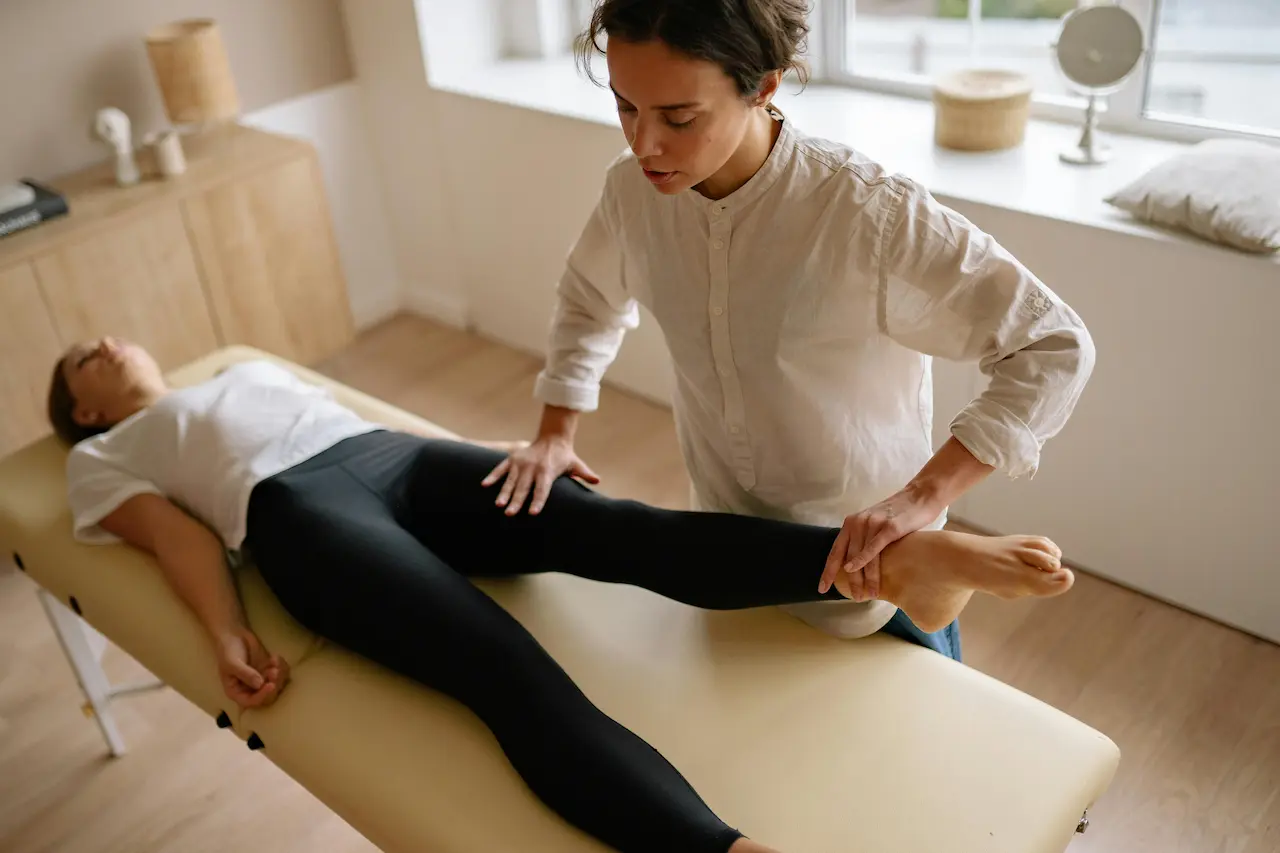
Your clinician will assess how your hip and groin respond to movement, strength tests and functional tasks
When we recommend medical review
Seek urgent care or contact your GP promptly if you have severe pain after a significant fall/impact, inability to weight-bear, fever/unwellness, rapidly worsening symptoms, unexplained weight loss, or new severe neurological symptoms.
Treatment options and our management approach
Hip and groin rehab usually works best with education, sensible load management, and progressive strengthening. We’ll explain what we think is contributing to your symptoms, what to modify short term, and how to build capacity so everyday tasks and training feel more manageable. Hands-on therapy can be useful for some people, but it’s typically paired with an active plan you can follow between visits.
Your plan may include:
- Education and self-management (pacing, flare-up strategies, sleep positioning, and activity modifications)
- Progressive strength training (often targeting glutes, hip stabilisers, adductors, and trunk control)
- Mobility work when stiffness is a key factor
- Technique coaching for running, squats, hinging, lunges, or work-specific lifting
- Manual therapy (joint mobilisation and soft tissue techniques) to assist some people with pain and movement
- Taping strategies for short-term support during activity when appropriate
- Dry needling where clinically indicated and appropriate for some muscle-related pain presentations
- Shockwave therapy for selected tendon-related conditions, where appropriate and combined with exercise rehab
A simple example: if side hip pain is worse on walks, we may start with load changes and targeted strengthening, then gradually build walking tolerance with clear progress steps.

Osteoarthritis and arthritis-related hip pain
If you’re searching for osteoarthritis physio Blacktown support, you’re not alone. Hip osteoarthritis can cause stiffness, reduced range of motion, and pain with longer walks, hills, stairs, or after sitting. Many people find that a tailored strength and conditioning plan can assist function and confidence, even if symptoms fluctuate.
For arthritis physio Blacktown presentations, management may include:
- Strength training matched to your current tolerance (often a key part of improving day-to-day function)
- Walking or conditioning plans that build fitness without constant flare-ups
- Mobility and pacing strategies for busy work periods or long travel days
- Practical advice around daily activities, including stairs, standing, and getting up from low seats
- Coordination with your GP if broader medical factors or medication discussions are relevant to your overall plan
We’ll keep your program realistic and adaptable so you can stay consistent.
Pelvic girdle pain physiotherapy
Pelvic girdle pain physio Blacktown care is often sought during pregnancy, postpartum, or after changes in activity levels. Symptoms can include pain around the front of the pelvis, lower back, hips, or SI joint region, and may worsen with rolling in bed, stairs, single-leg tasks, or longer walks.
Physiotherapy may include:
- Assessment to identify aggravating movements and helpful modifications
- Gentle strengthening and stability work progressed over time
- Advice on pacing, sleep comfort, and day-to-day strategies
- Coordination with your GP or obstetric care team when appropriate
Because pelvic pain can have multiple drivers, we tailor recommendations carefully and adjust based on how you respond.
How physio, chiro, and exercise physiology can work together
Blacktown Health is a multidisciplinary clinic, so your physiotherapy plan can be supported by chiropractic and exercise physiology when it suits your goals and clinical findings. This can be helpful when hip pain is influenced by lower back stiffness, training load issues, or reduced general conditioning after time off.
Shared care may suit you if:
- You want a structured progression from pain management to strength and fitness
- You’re returning to sport, running, or a physical job
- You’ve had recurring flare-ups and want a longer-term capacity plan
- You’d benefit from coordinated care in one convenient Westpoint location
Our clinicians include APA-titled Musculoskeletal and Sports Physiotherapists and dual-qualified clinicians (for example, Physio/Chiro and Physio/EP), supporting consistent communication and planning.
What makes Blacktown Health a practical choice
Hip and groin pain can be difficult to manage if you’re unsure what to do between appointments. We focus on one-on-one sessions in private rooms and clear programs you can follow at home or in the gym. When needed, we collaborate with local GPs, specialists, and other health professionals, including letters and reports with your consent.
You’ll find us at Westpoint Shopping Centre, Blacktown, with rooftop parking, lift/escalator access, and convenient public transport connections.
Practical details: sessions, referrals, and funding
Session length
Initial consultations are generally longer than follow-ups to allow time for a thorough assessment and planning. Ongoing appointment timing varies depending on your goals, needs, and progress.
What to bring
- Any relevant imaging, reports, or specialist letters (if you have them)
- A list of medications and key medical history
- Comfortable clothing you can move in (shorts are often helpful for hip assessment)
- Your usual shoes, and runners if the issue is running-related
- Referral paperwork if you’re attending under Medicare, WorkCover, DVA, or similar pathways
Referrals and funding (general guidance)
- Private patients: you can usually book without a referral
- Medicare Chronic Disease Management plan: requires a GP referral to access Medicare rebates (if eligible)
- Private health insurance: you may be able to claim depending on your extras cover and fund rules
- WorkCover / workers compensation: requirements vary, and we can advise what documentation is needed
- DVA: typically requires a valid referral
- NDIS: may be relevant mainly for exercise physiology services depending on your plan and goals
FAQs
Do I need a scan before I see a physio for hip pain?
Not always. Many hip and groin presentations can be assessed with a thorough history and physical examination. If your symptoms suggest imaging could help guide management, we’ll discuss options and can liaise with your GP.
How many sessions will I need?
It depends on what’s contributing to your pain, how long it’s been present, your daily demands, and how you respond. We’ll outline a plan, set review points, and adjust as you progress.
Can physio help if my hip pain is from arthritis?
Often, yes. Exercise and education are commonly used to help manage arthritis-related symptoms and improve function. We tailor intensity and progressions to your tolerance and goals.
What if my groin pain started with sport or the gym?
That’s common. We’ll assess load tolerance, strength, and movement patterns, then build a plan that may include graded strengthening and a return-to-training approach that fits your sport or gym routine.
Is parking available at Westpoint?
Yes. Westpoint has rooftop parking and the clinic is accessible via lifts and escalators.
Do I need a GP referral?
For private appointments, typically no. For Medicare Chronic Disease Management plans, DVA, and some WorkCover arrangements, you’ll usually need a referral.
Book an appointment at Westpoint, Blacktown
If hip or groin pain is limiting your walking, training, sleep, or confidence to move, book an appointment at Blacktown Health in Westpoint Shopping Centre, Blacktown. We’ll assess what’s contributing to your symptoms and build a practical plan you can follow at home, at work, and in the gym.
Call the clinic or book online to choose a time that suits you, with easy access via parking, lifts, and public transport.


Ready to book an appointment with us?
Visit our Online Bookings page where you can see what times are available and book appointments with all our great Physiotherapists, Chiropractors, and Exercise Physiologists at Blacktown Health. You can also find us and book appointments via HotDoc and HealthEngine.
Rather speak to someone? Simply give us a call on 02 8662 0496 and our friendly receptionists can help you find a time that suits, and answer any questions you might have.


