
Knee Pain Physio Blacktown at Westpoint Shopping Centre
%20(1).svg)
.svg)

Knee Pain Physio Blacktown at Westpoint Shopping Centre
If you’re looking for knee pain physio Blacktown care that’s practical, personalised, and easy to access, Blacktown Health offers one-on-one physiotherapy at Westpoint Shopping Centre in Blacktown. This page is for people managing knee pain from sport, gym, work, or day-to-day activities, including ACL and meniscus injuries and knee osteoarthritis. Our clinic is located inside Westpoint with convenient rooftop parking, lift access, and public transport nearby.
- One-on-one appointments in private rooms
- Physiotherapy, chiropractic, and exercise physiology in one clinic
- Personalised home and gym programs with clear progressions
- Easy access via Westpoint parking, lifts/escalators, and nearby services
Book online or call Blacktown Health to arrange an appointment at Westpoint, Blacktown.
Who this service is for (common knee pain problems)
Knee pain can feel limiting because it affects walking, stairs, driving, work shifts, and sport. Some people notice sharp pain with twisting or squatting, while others feel a dull ache that builds after activity. The right plan depends on what’s driving your symptoms, your training or work demands, and your confidence with movement.
Common knee issues we help people manage include:
- Pain with stairs, squats, lunges, or getting up from a chair
- Swelling, stiffness, or “pressure” in the knee after activity
- Clicking, catching, or a feeling of instability (needs assessment)
- Pain after running, field sports, court sports, or gym sessions
- Tendon or kneecap pain with jumping and sprinting loads
- Knee pain related to osteoarthritis and reduced confidence with movement
- Rehab planning before or after surgery (as appropriate and guided by your specialist)
We see patients from Blacktown and nearby suburbs including Seven Hills, Doonside, Prospect, Kings Park, and Lalor Park.

How we assess your knee pain
Your initial appointment is designed to work out what’s likely contributing to your knee pain and what you need to return to. We’ll ask about how it started, your activity levels, what makes it worse or better, and any previous injuries or surgeries.
A knee assessment typically includes:
- A detailed history (pain pattern, swelling, locking/giving way sensations, sport/gym/work loads, medical history)
- Physical assessment including knee range of motion, strength testing, joint and soft tissue checks, and functional tests (as appropriate)
- Screening of nearby areas that often influence knee load, including hip, ankle, and overall movement control
- Planning around your goals, like returning to sport, managing stairs, kneeling for work, or building walking tolerance
- Screening for signs that require medical review, and guidance on when to liaise with a GP or specialist
If you already have imaging or reports, bring them along. If you don’t, that’s often fine—many knee conditions can be assessed and managed without scans, depending on your presentation.
Treatment and management options
Knee rehab usually works best with a blend of education, graded strengthening, and sensible load management. Your physiotherapist will explain what we think is contributing, what to modify short term, and how we’ll progress your plan based on how you respond.
Management may include:
- Education on pacing, flare-up planning, training modifications, and day-to-day strategies (stairs, sitting, kneeling, and sleep comfort)
- Progressive strengthening for quads, hamstrings, calves, and hip muscles to improve knee capacity
- Mobility work when stiffness is a key factor
- Balance, agility, and change-of-direction drills for sport (when appropriate)
- Manual therapy for some people to assist pain and movement, alongside an exercise plan
- Taping or bracing guidance for short-term support during activity when suitable
- Dry needling where clinically indicated and appropriate for some muscle-related pain presentations
A simple example: if stairs are painful, we might start with a small set of strength and control exercises you can tolerate, adjust activity temporarily, then build back toward stairs and squats with clear progress steps.
How we approach sports return and performance
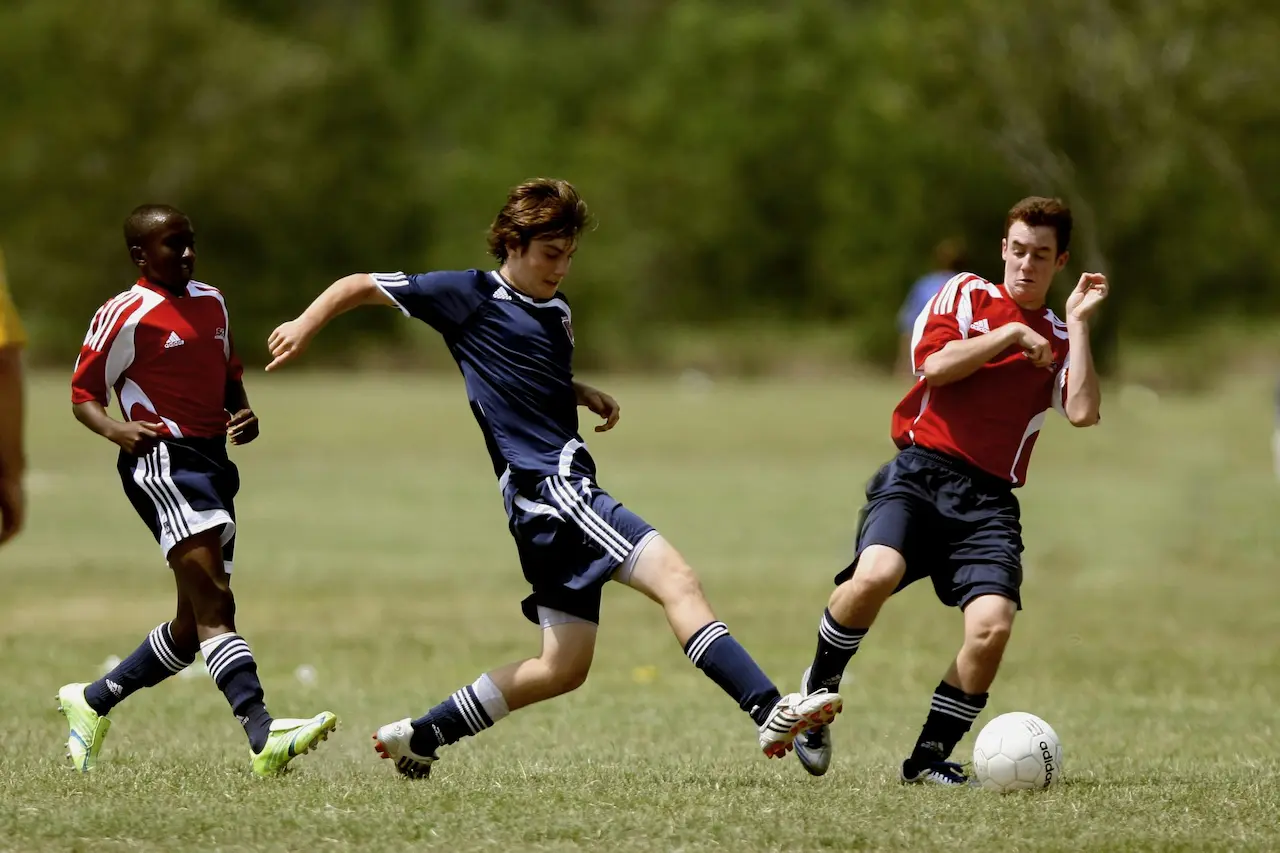
If your goal is returning to running or sport, we’ll usually include objective checkpoints (for example, strength targets and functional tests) and a staged return-to-training plan. The aim is to help you build confidence and tolerate load gradually, rather than doing too much too soon.
ACL rehab physio Blacktown
ACL injuries can happen in sport, but they also occur with awkward landings or twisting. Whether you’re managing an ACL injury non-surgically or following reconstruction, rehab is typically progressive and tailored to your symptoms, stage, and goals.
ACL rehabilitation may include:
- Early focus on swelling control, knee range, and restoring comfortable walking (where relevant)
- Progressive strengthening for quads, hamstrings, and hips
- Neuromuscular control work (balance, landing mechanics, and direction change)
- Gradual running and sport-specific drills when appropriate
- Clear guidance on training loads and what to avoid at each stage
If you’re under an orthopaedic surgeon or sports doctor, we can coordinate care and provide written updates with your consent.

Meniscus tear physio Blacktown
Meniscus-related symptoms can vary. Some people get pain with deep bending or twisting, while others mainly notice swelling and stiffness after activity. Not every meniscus tear needs surgery, so the key is matching management to your symptoms, function, and any mechanical features.
Physiotherapy for meniscus presentations may include:
- Strength and control work to improve knee load tolerance
- Movement and technique coaching for squats, lunges, and work tasks
- Graded return to walking, running, or sport based on irritability
- Advice on when symptoms suggest a GP or specialist review may be needed (for example, true locking or significant functional change)
Knee osteoarthritis physio Blacktown
Knee osteoarthritis is common and doesn’t always match what an X-ray report says. Many people find that the right exercise plan, education, and load management can improve function and confidence, even if symptoms fluctuate.
Physio support for knee osteoarthritis may include:
- Strength training tailored to your current tolerance, often a key part of improving daily function
- Walking and conditioning plans that build fitness without constant flare-ups
- Mobility work and pacing strategies for longer days, travel, or busy work periods
- Guidance on weight-bearing activity, footwear, and practical home strategies
If needed, we can collaborate with your GP regarding broader health factors and support a coordinated plan.
How physio, chiro, and exercise physiology can work together
Blacktown Health is multidisciplinary, so your knee plan can be supported by chiropractic and exercise physiology when it suits your goals and clinical findings.
This can be useful when:
- You want a structured strength and conditioning plan alongside physiotherapy guidance
- You’re rebuilding fitness after time off or persistent pain
- You have contributing factors like reduced general conditioning, back/hip stiffness, or recurring flare-ups
- You prefer coordinated care in one location at Westpoint
Our team includes APA-titled Musculoskeletal and Sports Physiotherapists and dual-qualified clinicians (for example, Physio/EP and Physio/Chiro), supporting consistent communication and streamlined planning.
What makes Blacktown Health a practical choice
Knee pain rehab is often easier when you have time, privacy, and a plan you can actually follow between sessions.
At Blacktown Health you can expect:
- One-on-one appointments in private rooms
- Longer consults where appropriate for complex injuries or multiple goals
- Personalised home or gym programs with progressions matched to you
- Collaboration with local GPs, specialists, and other health professionals, including letters and reports when needed
- A convenient Westpoint Shopping Centre location in Blacktown, with rooftop parking and lift/escalator access
Practical details: sessions, referrals, and funding
Session length
Initial appointments are generally longer than follow-ups to allow a thorough assessment and planning. Ongoing appointment timing depends on your needs, goals, and progress.
What to bring
- Any relevant imaging, reports, or surgical letters (if you have them)
- A list of current medications and key medical history
- Comfortable clothing you can move in (shorts are often helpful for knee assessment)
- Your usual footwear (and runners if your pain is sport-related)
- Referral paperwork if you’re attending under a GP plan, WorkCover, DVA, or similar
Referrals and funding (general guidance)
- Private patients: you can usually book without a referral
- Medicare Chronic Disease Management plan: requires a GP referral to access Medicare rebates (if eligible)
- Private health insurance: you may be able to claim depending on your fund and level of cover
- WorkCover / workers compensation: requirements vary, and we can advise what documentation is needed
- DVA: typically requires a valid referral
- NDIS: may be relevant mainly for exercise physiology services depending on your plan and goals
FAQs
Do I need a scan before I see a physio for knee pain?
Not always. Many knee conditions can be assessed with a history and physical exam. If your presentation suggests imaging could be helpful, we’ll discuss options and can liaise with your GP.
How many sessions will I need?
It depends on the diagnosis, how irritable the knee is, your activity goals, and how you respond to rehab. We’ll outline an initial plan, set review points, and adjust as you progress.
Can physio help if my knee feels unstable?
Sometimes. “Instability” can come from strength and control changes, ligament injury, or pain inhibition, so assessment is important. We’ll evaluate what’s contributing and advise next steps, including referral if needed.
Can you help after ACL surgery or arthroscopy?
In many cases, yes, once it’s appropriate and consistent with your surgeon’s guidelines. Bring your post-op protocol or letters so we can plan safely around your stage of recovery.
Is parking available at Westpoint?
Yes. Westpoint has rooftop parking and the clinic is accessible via lifts and escalators.
Do I need a GP referral?
For private appointments, typically no. For Medicare Chronic Disease Management plans, DVA, and some WorkCover arrangements, you’ll usually need a referral.
Book a knee physiotherapy appointment at Westpoint, Blacktown
If knee pain is limiting your work, sport, or confidence to stay active, book an appointment at Blacktown Health at Westpoint Shopping Centre, Blacktown. We’ll assess what’s driving your symptoms and build a practical rehab plan you can follow at home and in the gym.
Call the clinic or book online to choose a time that suits you, with easy access via parking, lifts, and public transport.


Ready to book an appointment with us?
Visit our Online Bookings page where you can see what times are available and book appointments with all our great Physiotherapists, Chiropractors, and Exercise Physiologists at Blacktown Health. You can also find us and book appointments via HotDoc and HealthEngine.
Rather speak to someone? Simply give us a call on 02 8662 0496 and our friendly receptionists can help you find a time that suits, and answer any questions you might have.


